Showing posts with label Reading Practice Intensive 2023. Show all posts

Tuesday, 12 September 2023

Manaiakalani RPI Day 9: Sharing (Final RPI Session)

 Today's session was the final RPI (Reading Practice Intensive) session for the year. The focus was on ‘Sharing’. Throughout the past 9 sessions we have received multiple opportunities to enhance our practice when it comes to planning, creating and delivering a robust, interesting and multi-layered reading programme for our students. Naomi, Georgie, Toni and Vicki have been amazing at walking us through the RPI sessions which have been pretty intense at times.

In regards to the focus on ‘Sharing’, we were reminded about the importance of student voice and how student blogs were a platform where students could share evidence of their learning, and share their authentic voice. Student blogs capture a record of student learning over time and is a great way for whanau to see and connect with what their children are learning at school.
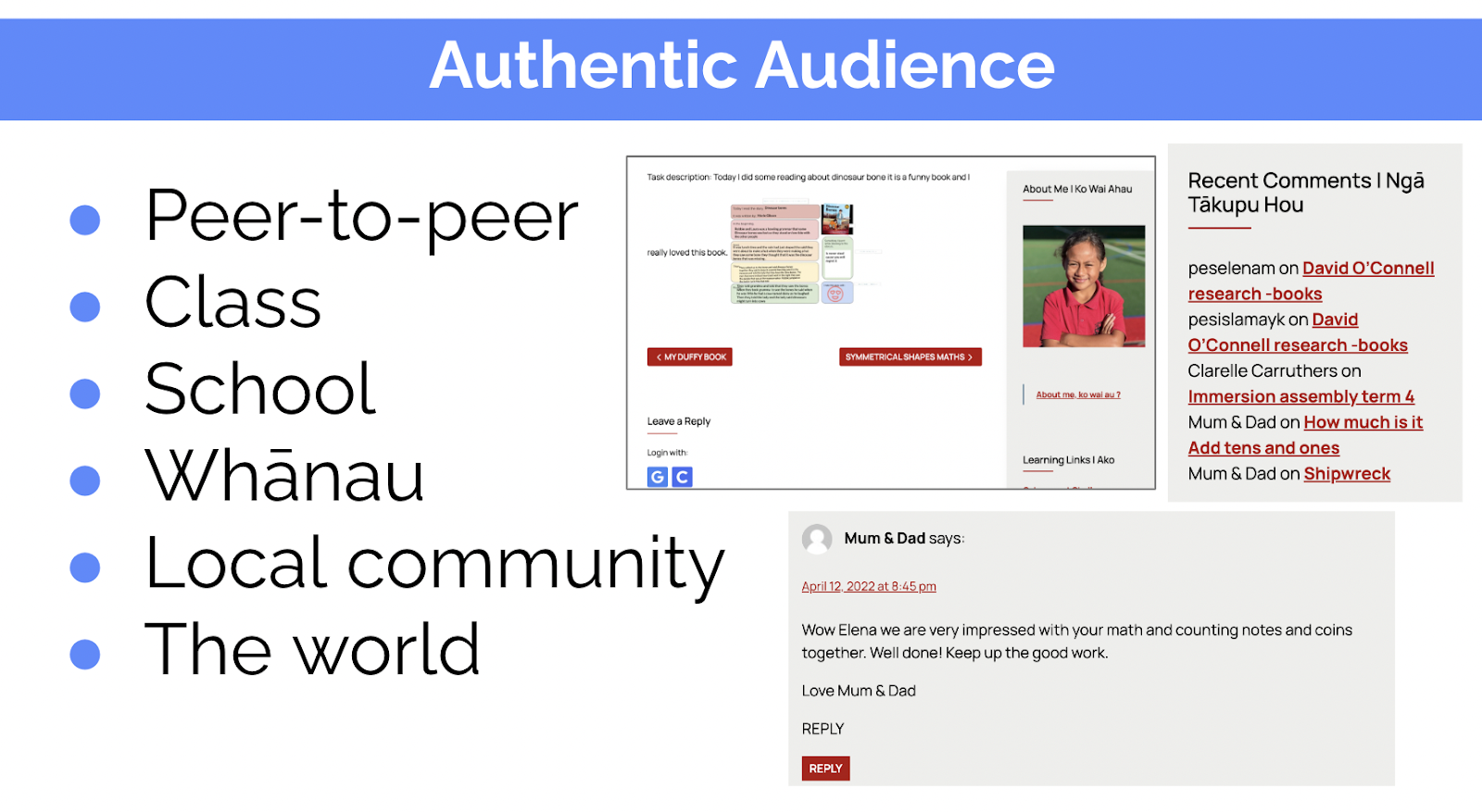

Research also found that blogging frequency impacts on student learning. So this is something to keep in mind when encouraging students to post their learning on their blog. In our team of year 5 & 6 learners, one of our teachers (Ms Parrant) creates a holiday blogging programme for our students. We will be encouraging as many students as we can to continue blogging throughout the next holidays.


Once again we were reminded that we needed to design learning with the end in mind. This includes planning for ambitious outcomes, planning to use diverse texts, teaching learners to think critically and designing rich ‘Create’ experiences.

We reflected on how feedback needed to be useful and practical for students and how we needed to plan time for this to happen regularly. Regular feedback to children is important. As teachers we need to organise a system to do this, so that it’s useful for our students but does not create too much extra work for teachers. Upon reflection, I provide lots of oral feedback (usually on the spot)  for students and need to work on providing more written feedback on student work or on their blogs.


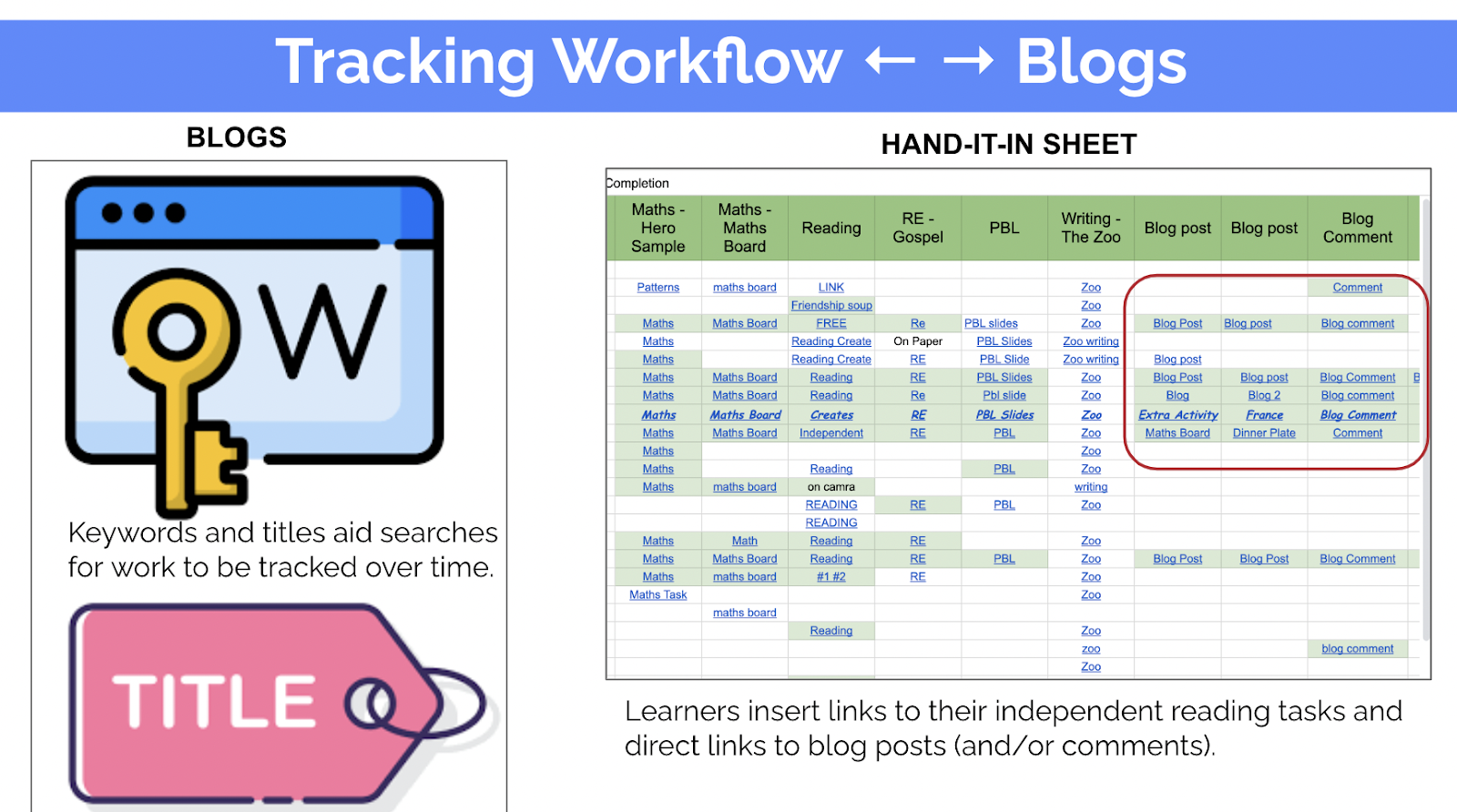
Tracking student workflow is something that I need to improve. I often have a spreadsheet where students can add the link to their learning tasks, but I have not always been consistent with monitoring this.


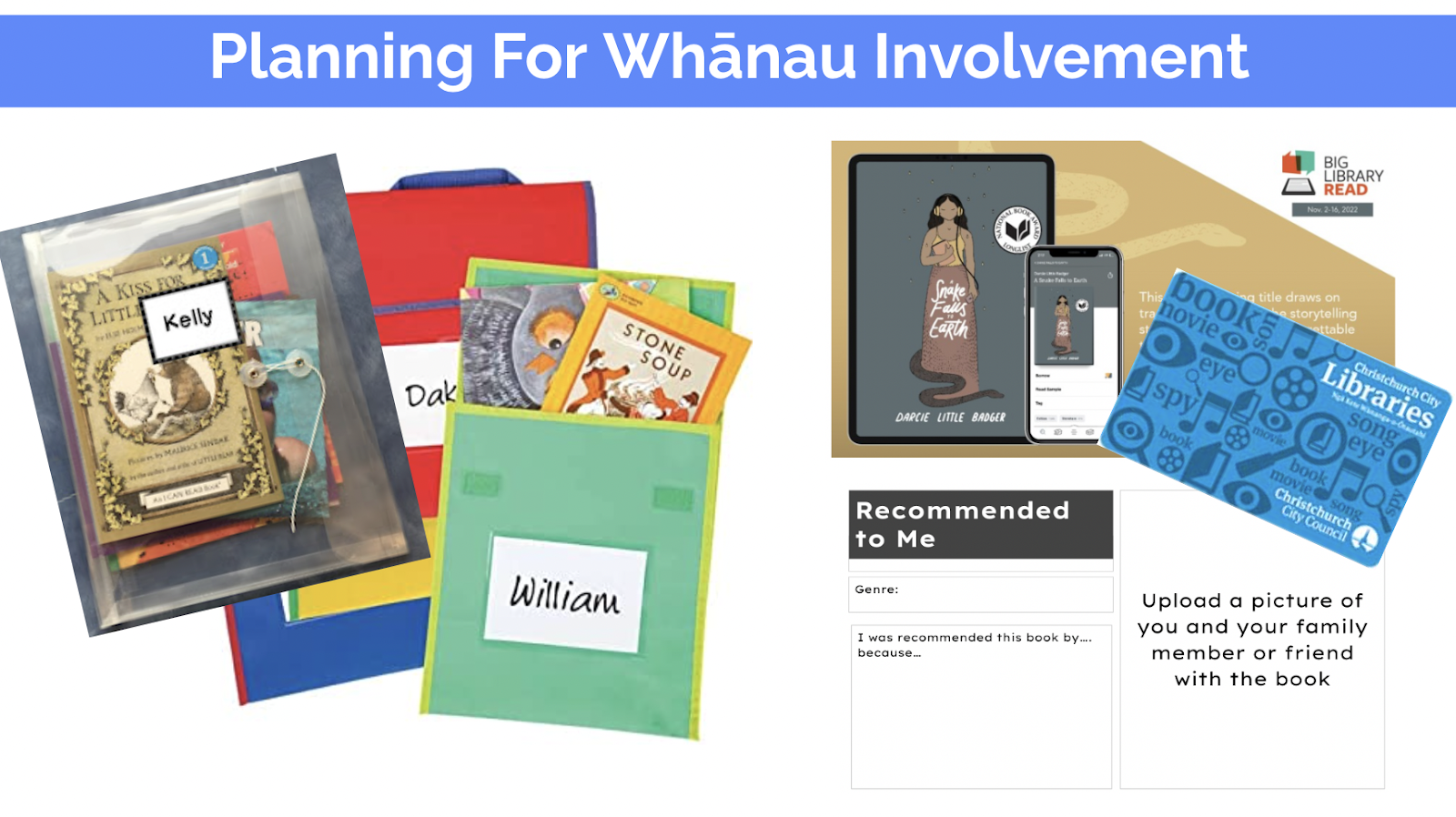
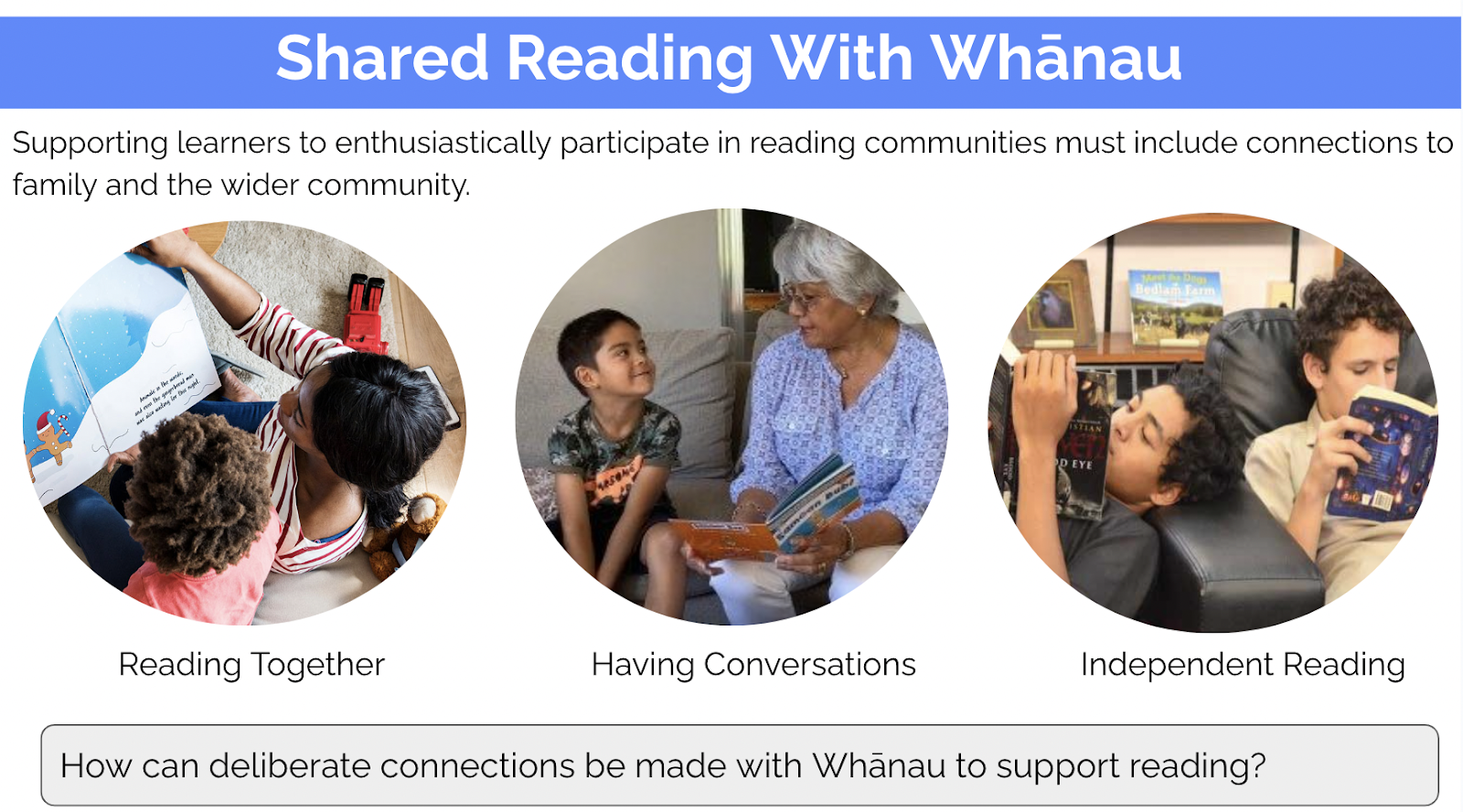
One of the final things that we talked about today was the importance of involving whanau when it comes to reading. This is something that I have been mindful of in my own class this year. The students in my literacy group are reading below their expected level, so it was important that whanau could be involved where possible.


I have tried to connect with as many parents as possible to encourage them to help their child read more at home. Even though my students are in year 6, I have a large group of students (15) who take book bags home with notebooks for parents to sign each time they read at home. I also encouraged parents to complete a google survey related to their child's reading during the last parent interviews.


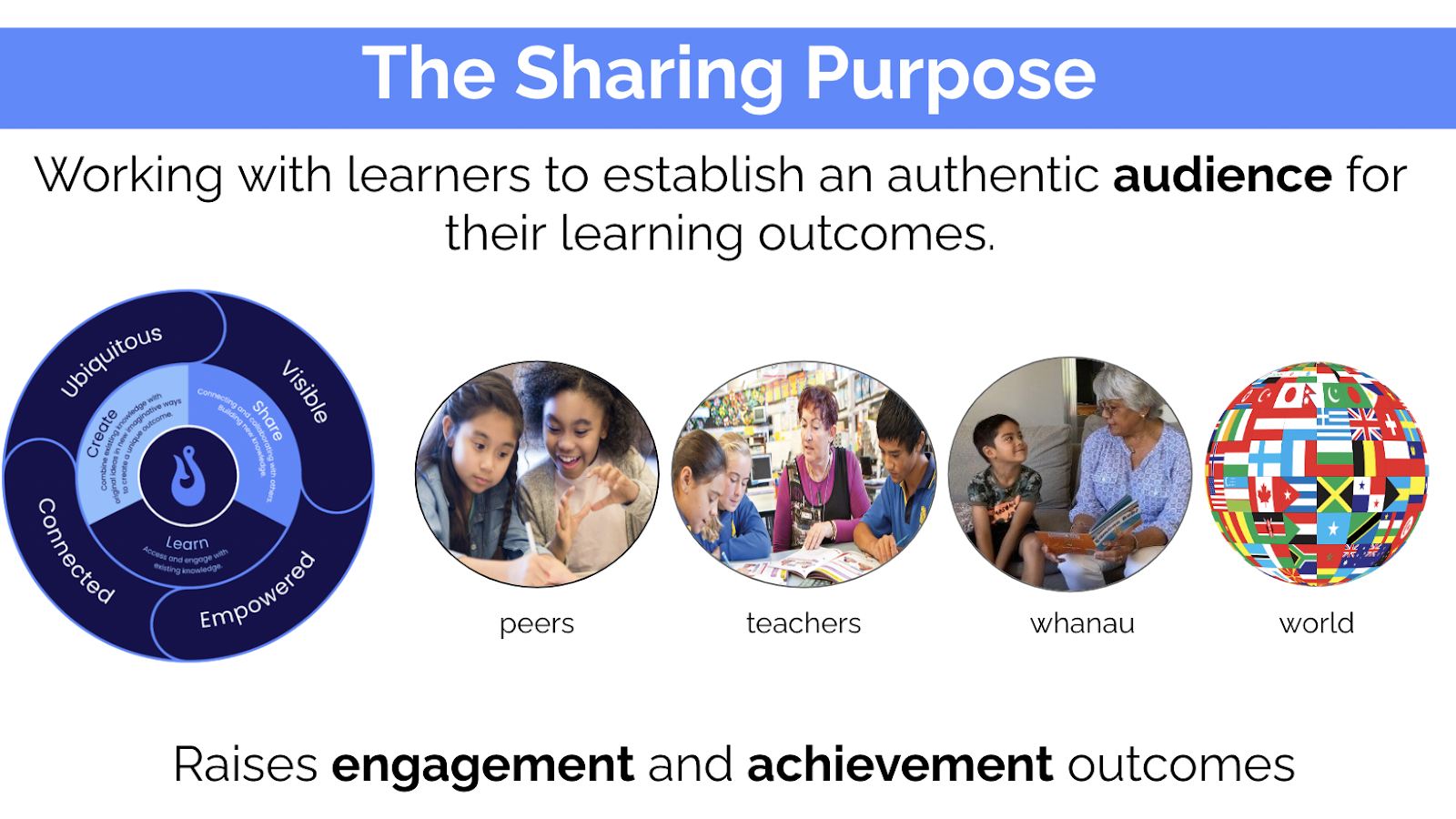
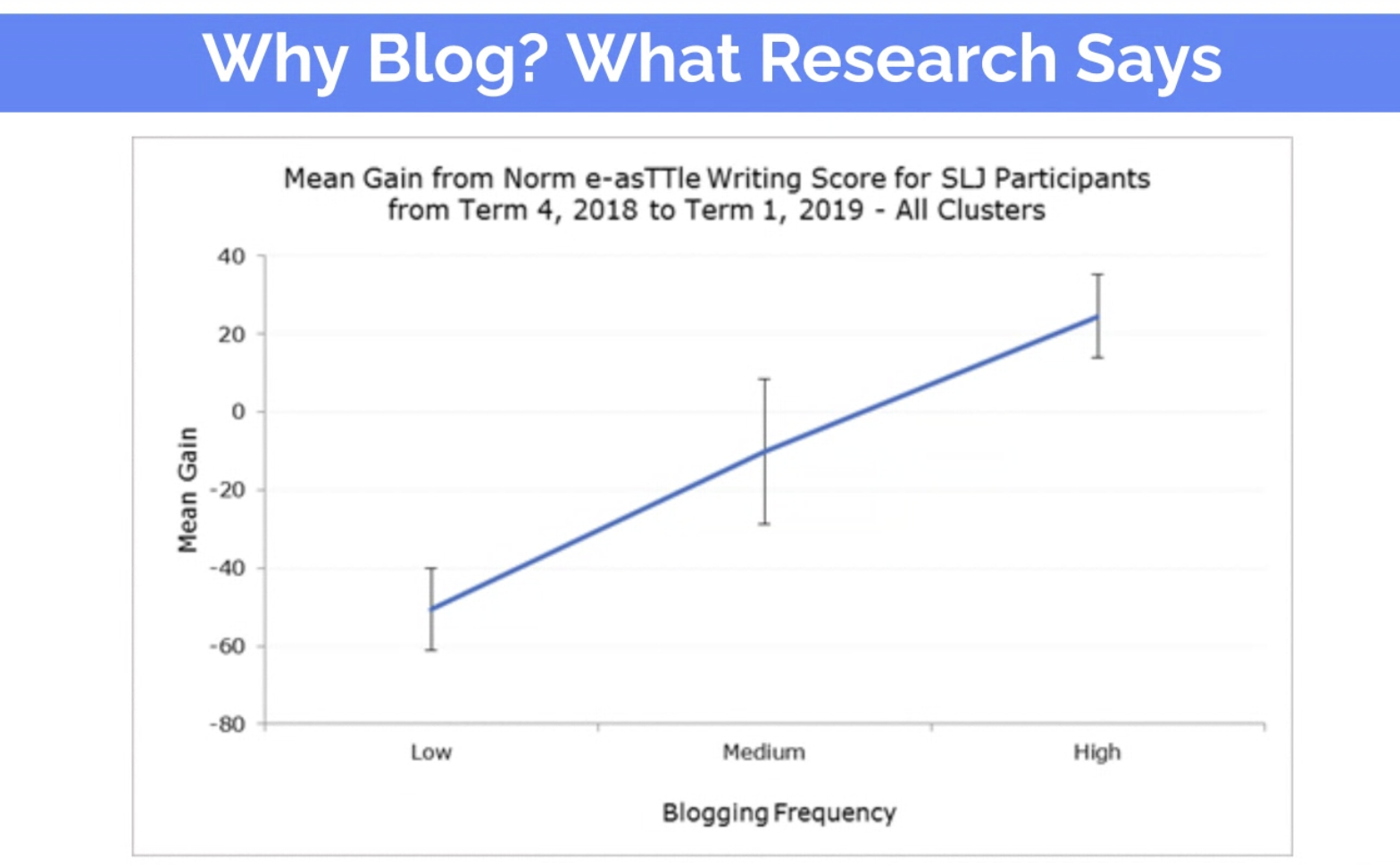
I really like the following image below as this has been my inquiry focus this term which was to improve student engagement and achievement in literacy. It is about working with learners to establish an authentic audience for their learning outcomes. This is the whole purpose of the 'Share' part of our 'Learn, Create, Share' pedagogy.

Students need to see the purpose of posting their learning on their blog. The Holiday Blogging Summer Learning facilitators ensure that students receive comments each time they post on their blog. My goal is to use the Teacher Dashboard feature where the Edublog posts are visible to help me to leave comments on work that has been recently published. Another goal is to post constructive feedback more regularly on student blogs.


Finally, upon completing the Manaiakalani RPI programme I need to consider how to implement the ideas, resources and tools that I have learnt to enhance my reading programme. The image below is a reminder that effective planning is essential to ensure that there are multiple opportunities for students to develop their vocabulary skills, critical thinking skills, student voice, reading strategies and more. This means that there needs to be careful layering across the reading model.


I am very grateful to have been selected to be part of the Manaiakalani RPI programme even though I didn't really know what I was getting into. Thank you to our facilitators, special guest speakers, mentors and colleagues. I look forward to putting many of these new ideas and resources into practice as part of my reading programme.


Tuesday, 20 June 2023

Manaiakalani Reading Practice Intensive Day 6: Vocabulary

 Today's focus for RPI was based around teaching vocabulary. This is an area that needs to be implemented much more thoroughly as part of my literacy programme. I think that I place too much of an emphasis on the comprehension and understanding of the text for students. It would be helpful to focus on incorporating more word work or vocabulary practice with my students. A graph that was shared today reminded me of the vocabulary deficit of many of our students when they enter school. 

The following is an example of a guided reading follow up task. Even though I feel that I do incorporate some word work into the guided reading follow up activities for students, I need to provide more opportunities for children to practise saying words out loud and recording themselves so that they can hear what they are saying and listen to whether it sounds right. I also need to provide more opportunities for students to practise vocabulary activities. 


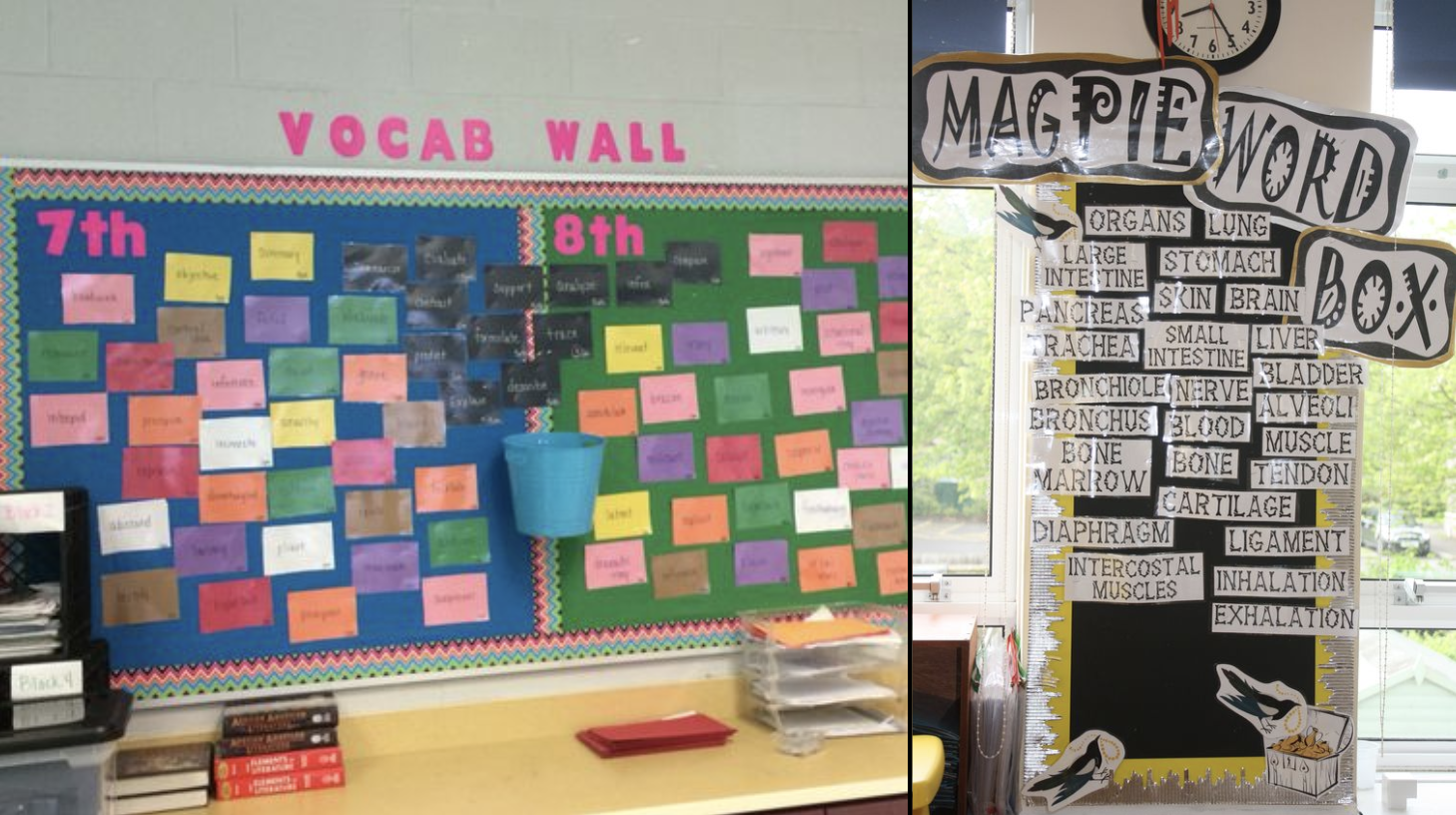
We heard about using word walls/displays in class. I do have word walls, but I am not making good use of them. I aim to do a better job of utilising my word walls next term. 


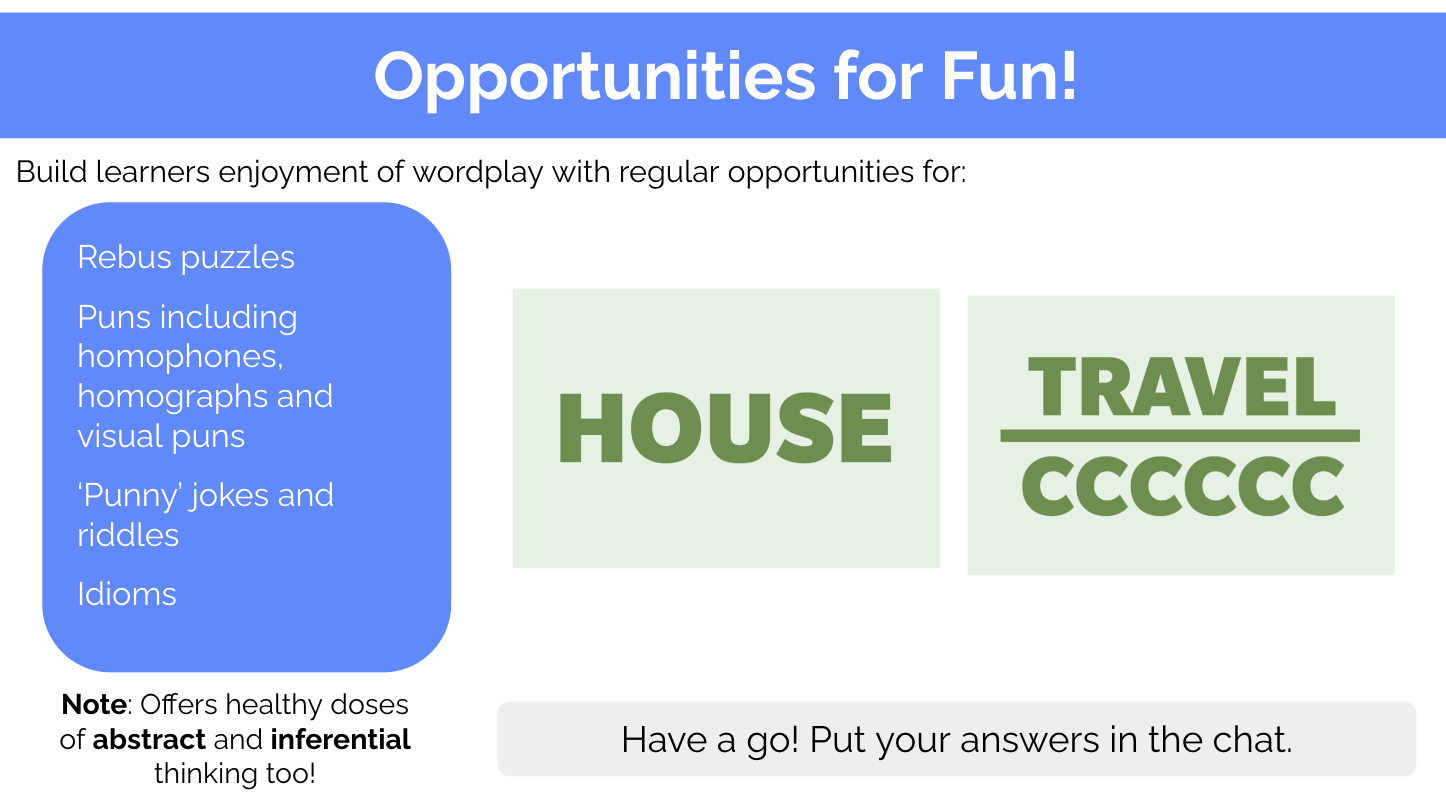
I actually really enjoyed the word play activities and will add this to my literacy planning for next term. I enjoyed the activity of pairing up with another teacher to work through some vocabulary activities. We also had the opportunity to create a follow on task based on a text for next term. I think that it’s great that we get a head start on this and start thinking about how we will implement the new learning about vocabulary with our students. 


Next term my goal is to be more explicit and intentional about teaching morphology, phonemes, spelling and growing word consciousness. Here are some of my thoughts from today as to how I plan to do this. 


Sunday, 2 April 2023

Manaiakalani Reading Practice Intensive (RPI) Day 3

 Today’s focus in RPI for Day 3 was based on Text Selection. 


What did I learn that increased my understanding of the kaupapa and pedagogy of the Manaiakalani Reading Programme ?


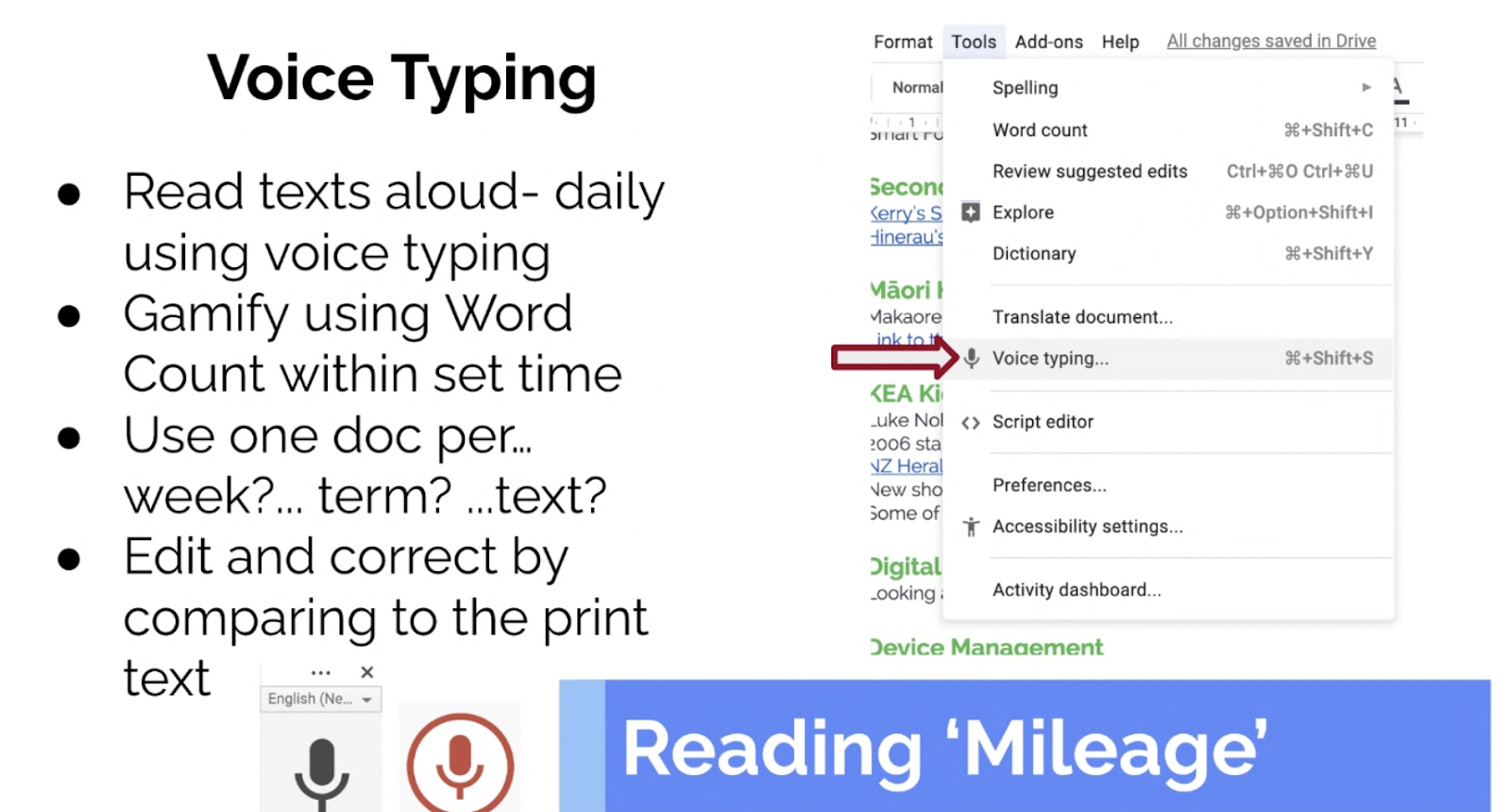
First we heard from Dorothy Burt who talked about the Manaiakalani Kaupapa and Pedagogy. She explained the importance of selecting from a wide range of both print text and digital text. Integrating the use of digital apps opens a world of learning opportunities to improve literacy skills for students. For example, using the voice typing app is a good way for readers to hear themselves talk and read aloud everyday. They can practice reading aloud to  improve their enunciation of words and their oral fluency. 


What did I learn that could improve my capability and confidence in teaching reading?


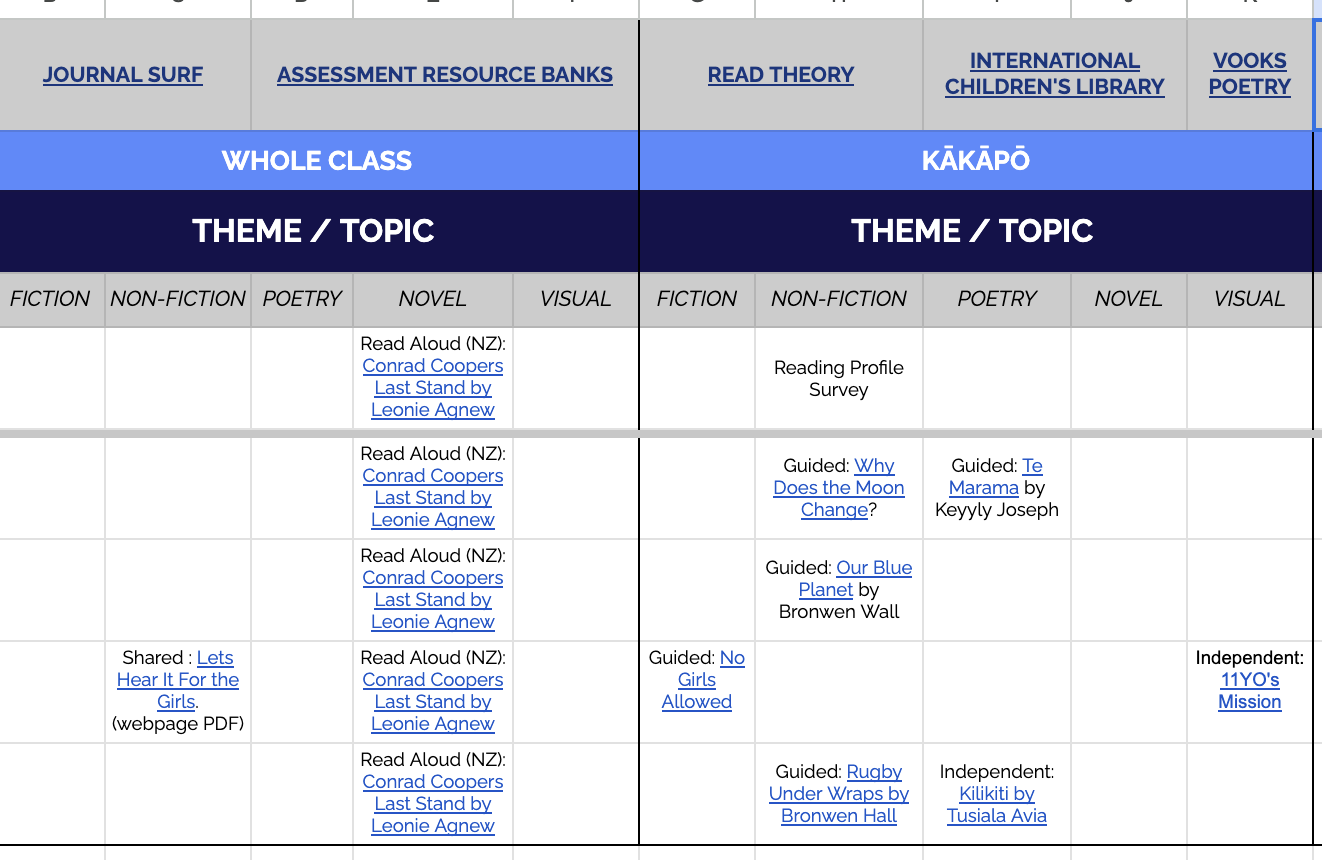
We looked a little closer at the RPI workbook to plan ahead for one of our literacy groups. The focus on ‘coverage’ of multimodal text types, differentiated reading e.g. independent, paired and shared reading etc, as well as a focus on T-shaped literacy and text sets for groups was helpful. The RPI workbook provided one example of how to plan across a term to ensure that enough coverage of different text types was happening. 


What did I learn that could be used with my learners? 


I thought that the RPI workbook was useful for planning for a rich learning programme in literacy. In a busy term, the detailed planning overview with links to resources will help when thinking about planning to meet student learning needs and ensuring that there is coverage from a wide range of different texts and text types. 


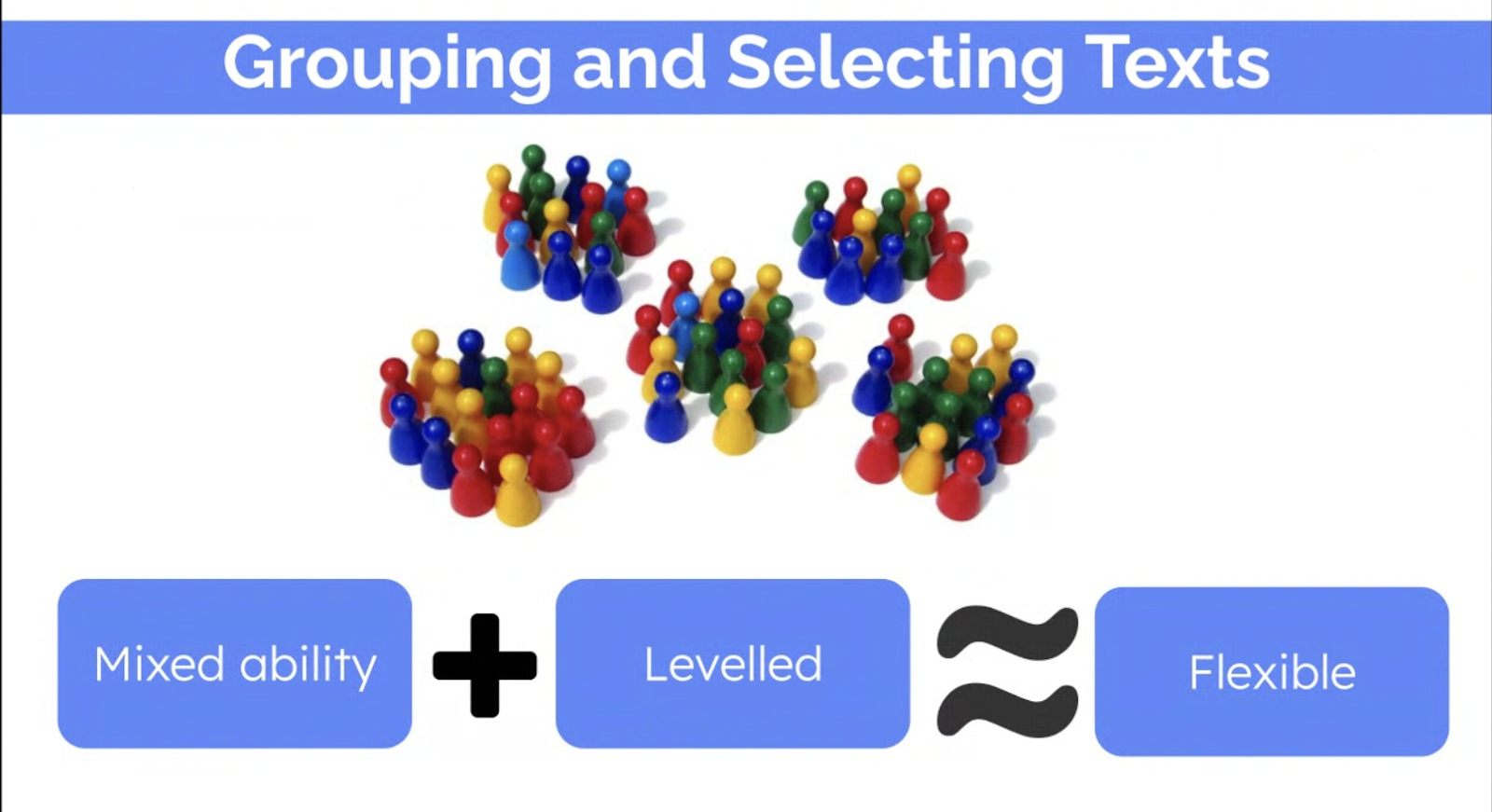
I also learnt that we need to avoid limiting our learners and allow them to extend themselves where possible. It makes sense that students should learn how to read within the zone of proximal development i.e. read texts that are not too difficult or too easy, but it also makes sense that students need to be challenged by reading more difficult texts and work with others who share the same interests. 


What did I learn that could be shared within my wider community, with either colleagues, or whānau/aiga?  


I think that the emphasis on multiple opportunities to read and the digital resources available to suit all learners was fantastic. Children’s interests need to be taken into account and cannot always be teacher directed which happens more than it should. The digital resources need to be shared with whānau/aiga. I think that some of the tips from the workshop should be simplified (summarised) and shared with parents on our class site.


Tuesday, 7 March 2023

Manaiakalani Reading Practice Intensive - Day 2

 In today's workshop the focus was around knowing your learners as readers. 


  • What did I learn that increased my understanding of the kaupapa and pedagogy of the Manaiakalani Reading Programme ?


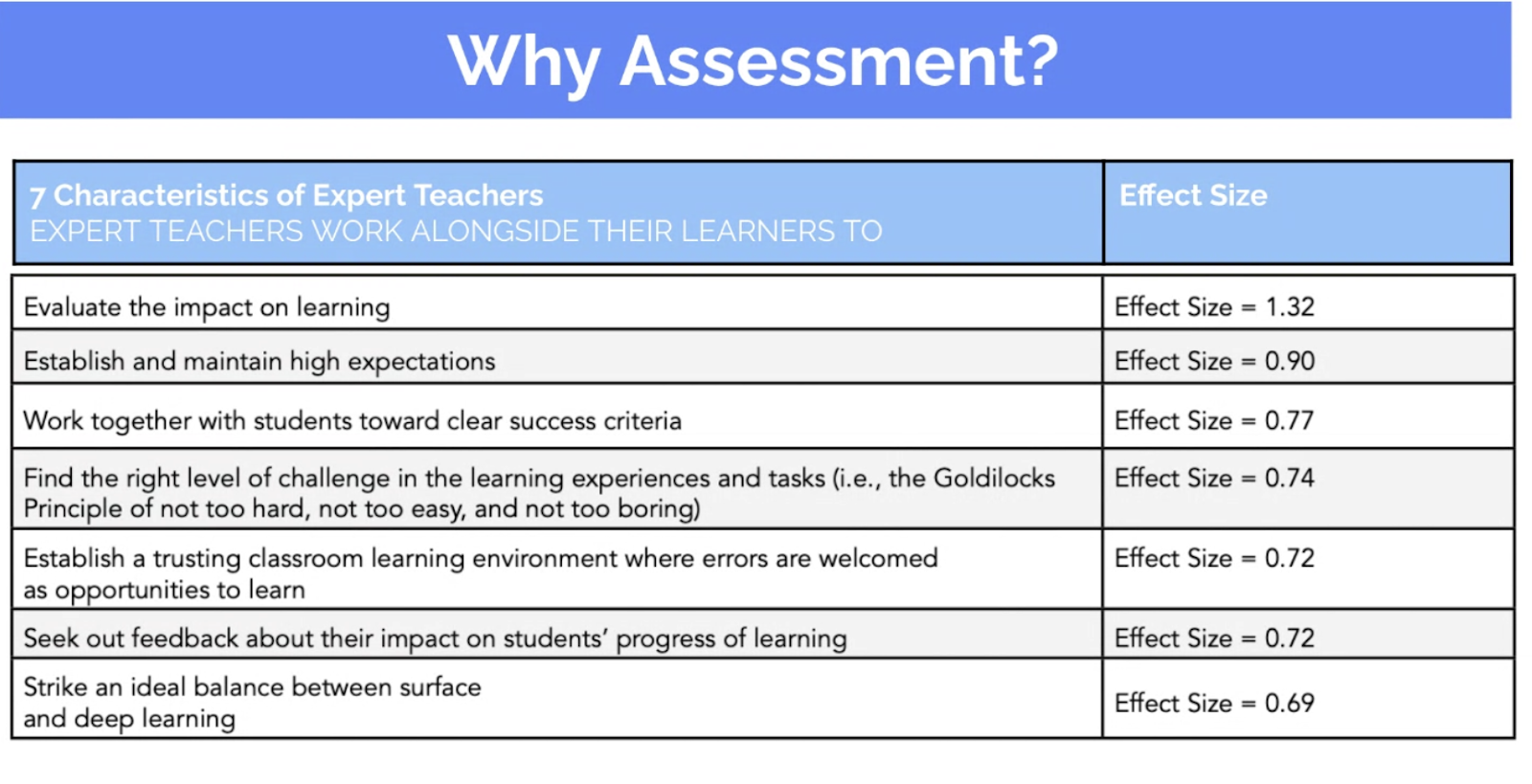
I learnt that taking into consideration the interests of the students is really important when designing a reading programme, even for the students who are struggling. The reading survey is a great way to capture the interests and attitudes towards reading of the students. A careful analysis of the PAT Reading data to identify common areas where there are gaps in learning  is good practice. Another interesting thing that I learnt was the importance of assessment and the impact of effect sizes on student learning e.g. the larger the effect size, the greater the impact in a positive way it was for students overall.


  • What did I learn that could improve my capability and confidence in teaching reading?


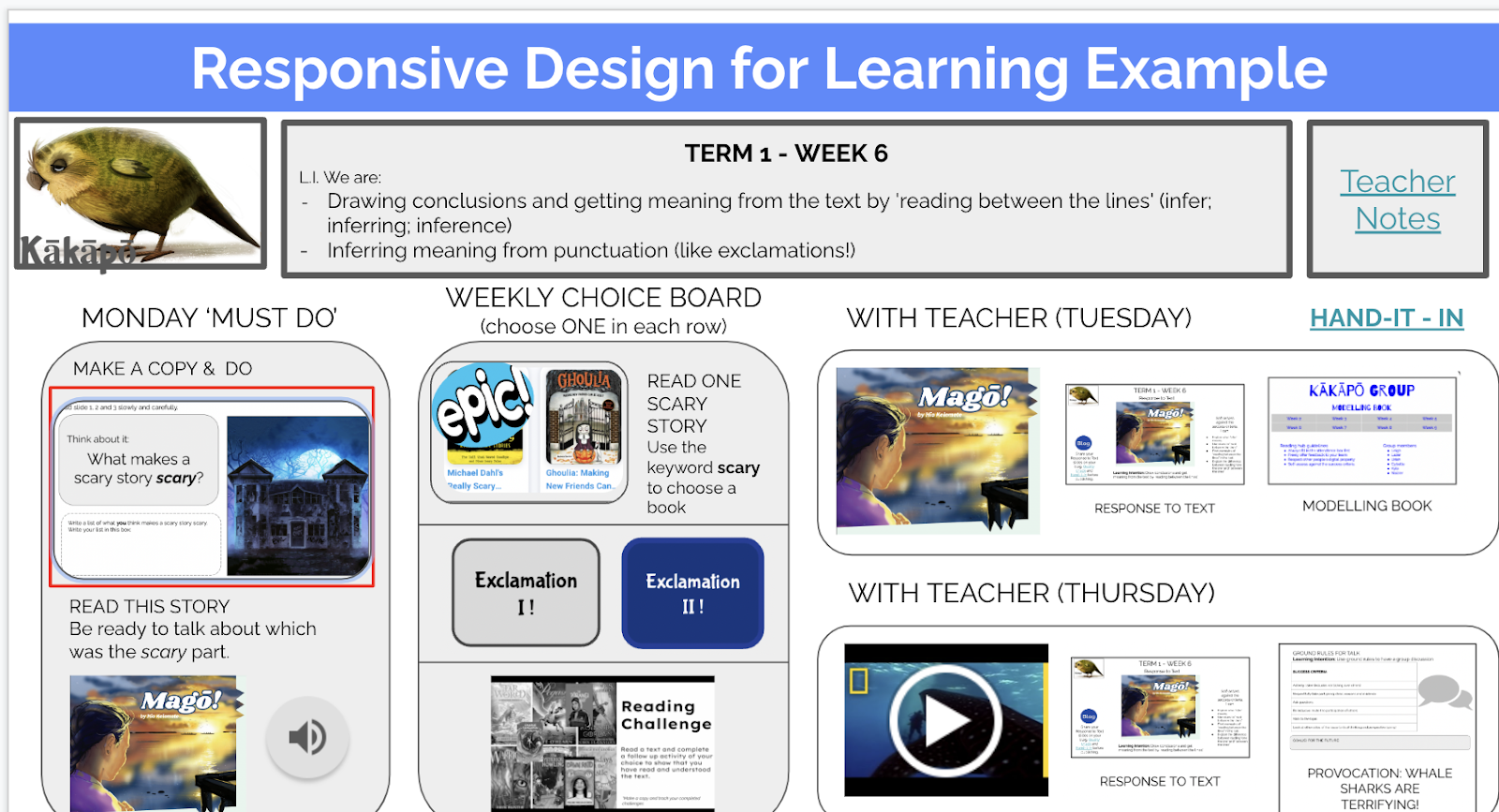
To keep looking at new ways of designing the reading programme for students so that tasks are aimed more specifically at addressing student needs in a way that is engaging and interesting. The reading task board was a good example of a resource or template that could be used.


  • What did I learn that could be used with my learners? 


That success criteria can be co-constructed, even with the low ability readers, but to also keep in mind that it needs to be teacher directed to stay on track. 


  • What did I learn that could be shared within my wider community, with either colleagues, or whānau/aiga? 


Share with colleagues: ideas for designing reading e.g. the taskboard. Using the reading survey and how to analyse PAT data more effectively when creating the next steps for learners.