Tuesday, 30 May 2023

Manaiakalani RPI - Day 5

 Today was Day 5 of the Manaiakalani RPI

What did I learn that increased my understanding of the kaupapa and pedagogy of the Manaiakalani Reading Programme ?

I was reminded that making learning visible is so important. In Team 4 (Year 4 - 6 students) we have a shared site where all students have access to their learning tasks for literacy, numeracy and other subjects. This allows greater self efficacy for our students who can access their learning, anytime, anyplace and anywhere. 


What did I learn that could improve my capability and confidence in teaching reading?


I learnt that I needed to keep working on improving my literacy timetable and to stay consistent when seeing groups of students.  I also realised that I needed to use some of the apps more effectively e.g. EPIC. I had been using EPIC as a free choice for reading tasks, rather than utilising the resources on EPIC more effectively and assigning reading to my students. There are many resources that relate to other curriculum areas on the site.


I also signed up my literacy class today for Literacy Planet which is another useful app. I could also make better use of the tracking sheets to monitor student completion of work. 


What did I learn that could be used with my learners? 


The writing practice and examples to inspire writing for students was excellent. I appreciated the practical lessons around how to use text to inspire narrative writing. The time spent on collaborating with my break out group to find texts that might inspire different sentence starters for writing was useful. 


What did I learn that could be shared within my wider community, with either colleagues, or whānau/aiga? 


I will share the literacy apps with my colleagues. Some are using them already, but I intend to have a discussion with my team about using them more effectively. I will also share the ideas around using texts that the students read during literacy to inspire writing if the teachers in my team are not already doing so.

Sunday, 2 April 2023

Manaiakalani Reading Practice Intensive (RPI) Day 3

 Today’s focus in RPI for Day 3 was based on Text Selection. 


What did I learn that increased my understanding of the kaupapa and pedagogy of the Manaiakalani Reading Programme ?


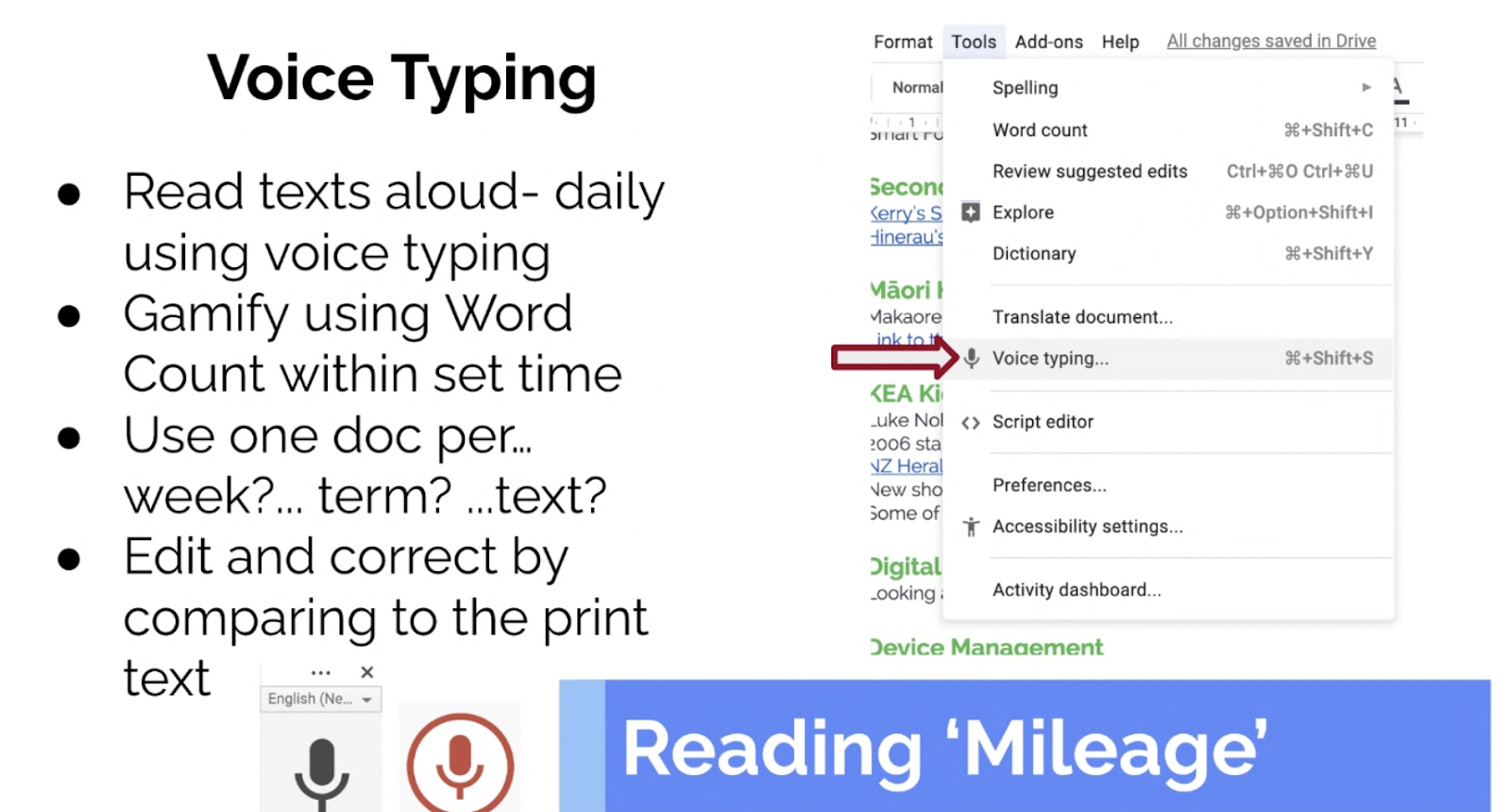
First we heard from Dorothy Burt who talked about the Manaiakalani Kaupapa and Pedagogy. She explained the importance of selecting from a wide range of both print text and digital text. Integrating the use of digital apps opens a world of learning opportunities to improve literacy skills for students. For example, using the voice typing app is a good way for readers to hear themselves talk and read aloud everyday. They can practice reading aloud to  improve their enunciation of words and their oral fluency. 


What did I learn that could improve my capability and confidence in teaching reading?


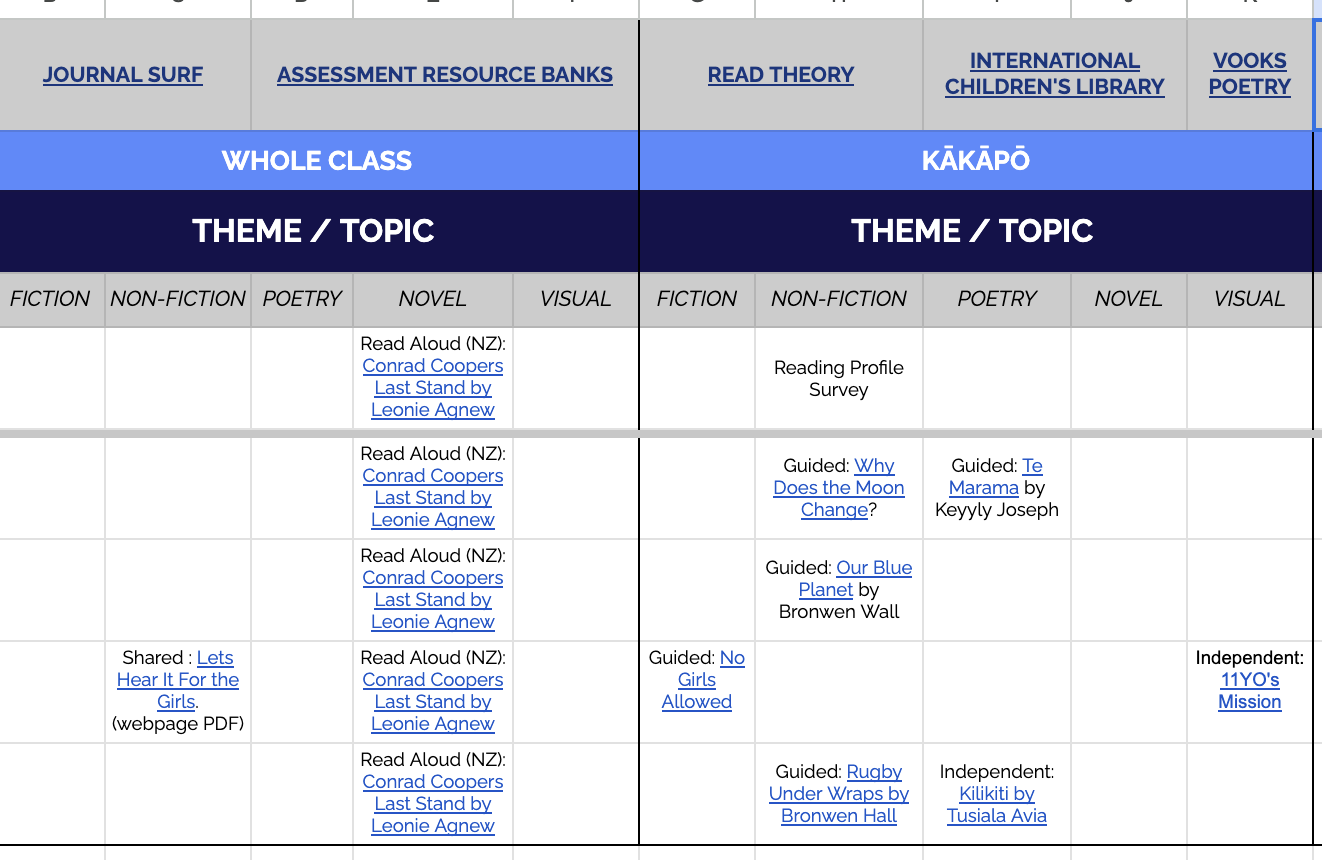
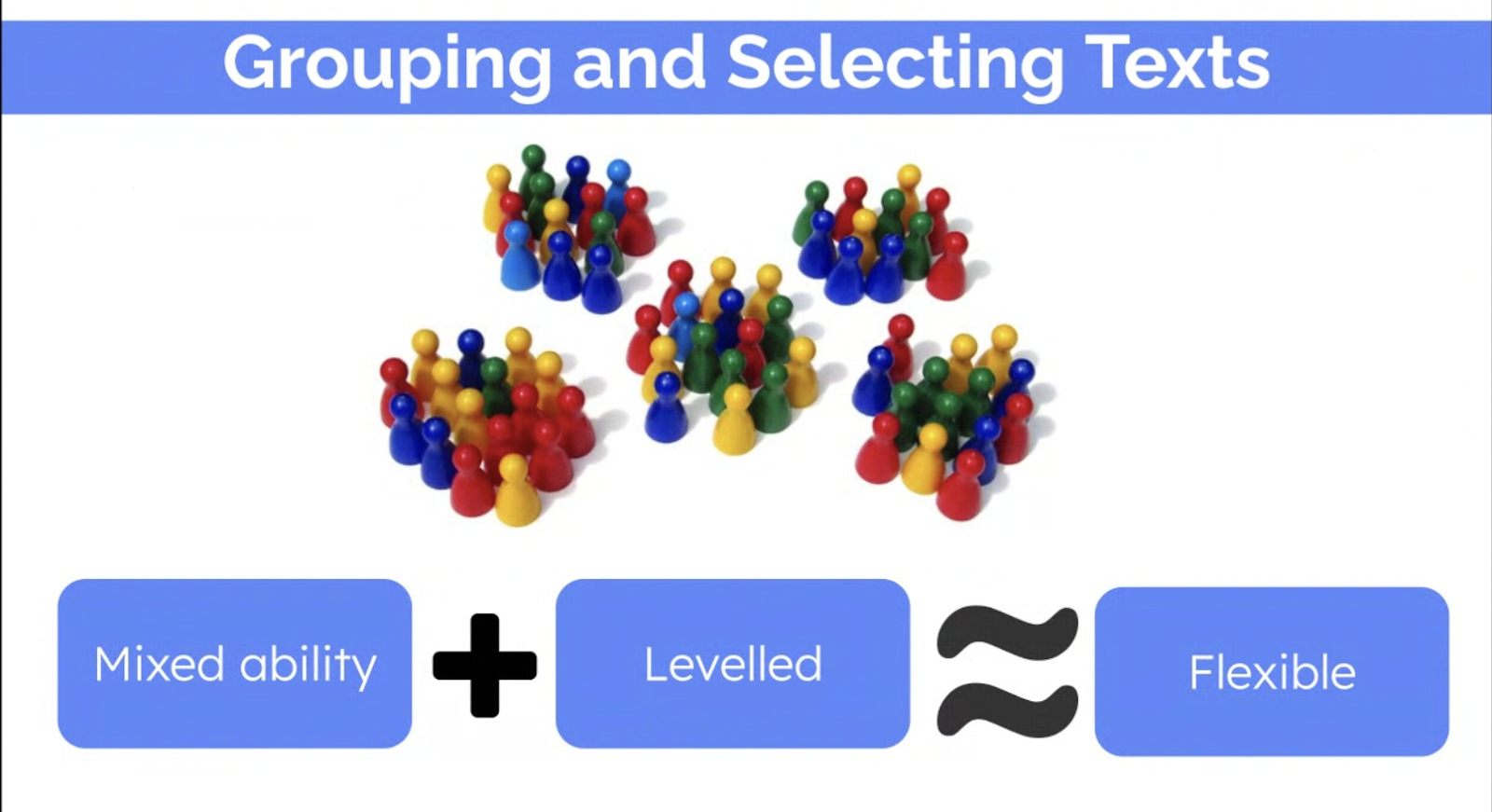
We looked a little closer at the RPI workbook to plan ahead for one of our literacy groups. The focus on ‘coverage’ of multimodal text types, differentiated reading e.g. independent, paired and shared reading etc, as well as a focus on T-shaped literacy and text sets for groups was helpful. The RPI workbook provided one example of how to plan across a term to ensure that enough coverage of different text types was happening. 


What did I learn that could be used with my learners? 


I thought that the RPI workbook was useful for planning for a rich learning programme in literacy. In a busy term, the detailed planning overview with links to resources will help when thinking about planning to meet student learning needs and ensuring that there is coverage from a wide range of different texts and text types. 


I also learnt that we need to avoid limiting our learners and allow them to extend themselves where possible. It makes sense that students should learn how to read within the zone of proximal development i.e. read texts that are not too difficult or too easy, but it also makes sense that students need to be challenged by reading more difficult texts and work with others who share the same interests. 


What did I learn that could be shared within my wider community, with either colleagues, or whānau/aiga?  


I think that the emphasis on multiple opportunities to read and the digital resources available to suit all learners was fantastic. Children’s interests need to be taken into account and cannot always be teacher directed which happens more than it should. The digital resources need to be shared with whānau/aiga. I think that some of the tips from the workshop should be simplified (summarised) and shared with parents on our class site.


Tuesday, 7 March 2023

Manaiakalani Reading Practice Intensive - Day 2

 In today's workshop the focus was around knowing your learners as readers. 


  • What did I learn that increased my understanding of the kaupapa and pedagogy of the Manaiakalani Reading Programme ?


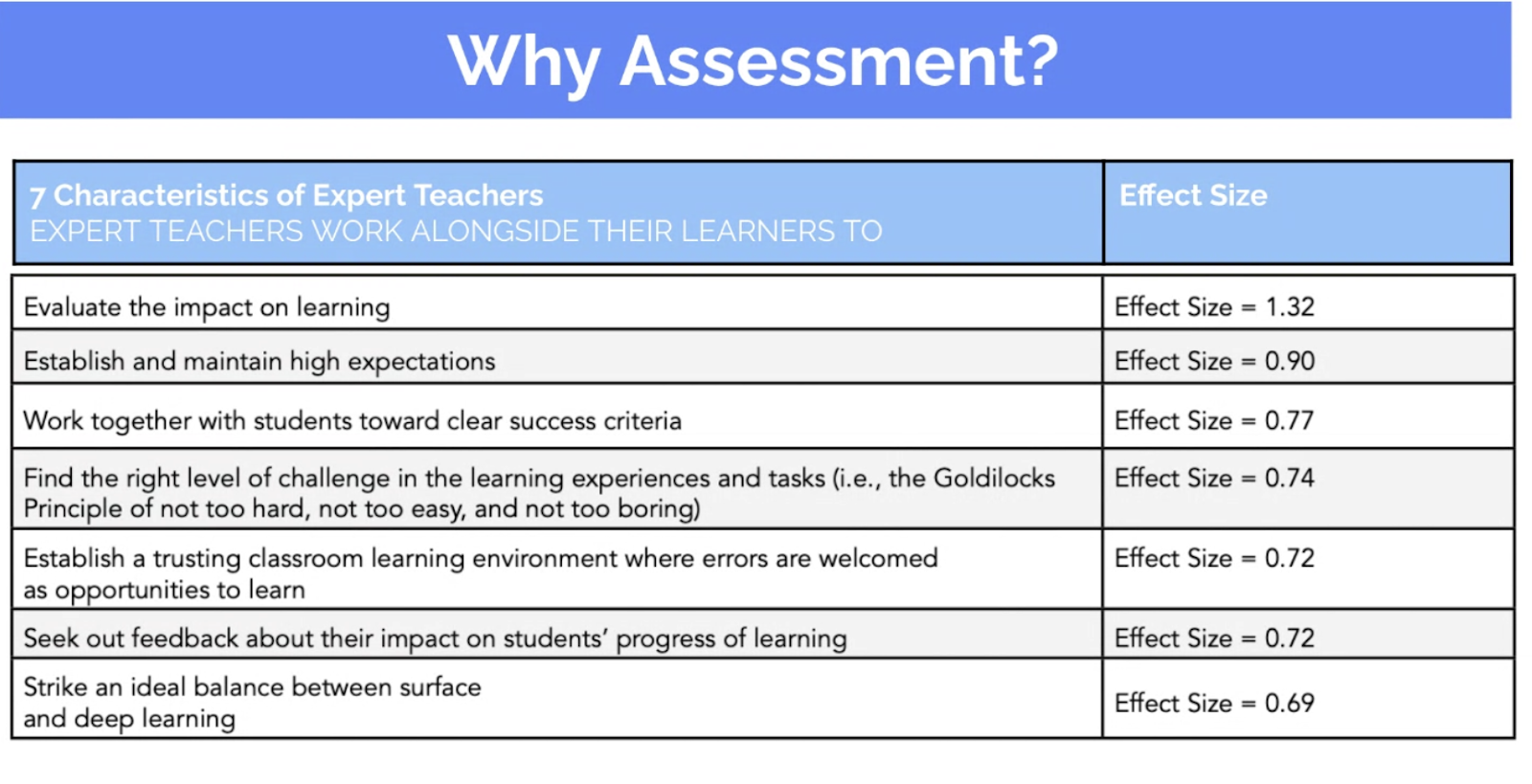
I learnt that taking into consideration the interests of the students is really important when designing a reading programme, even for the students who are struggling. The reading survey is a great way to capture the interests and attitudes towards reading of the students. A careful analysis of the PAT Reading data to identify common areas where there are gaps in learning  is good practice. Another interesting thing that I learnt was the importance of assessment and the impact of effect sizes on student learning e.g. the larger the effect size, the greater the impact in a positive way it was for students overall.


  • What did I learn that could improve my capability and confidence in teaching reading?


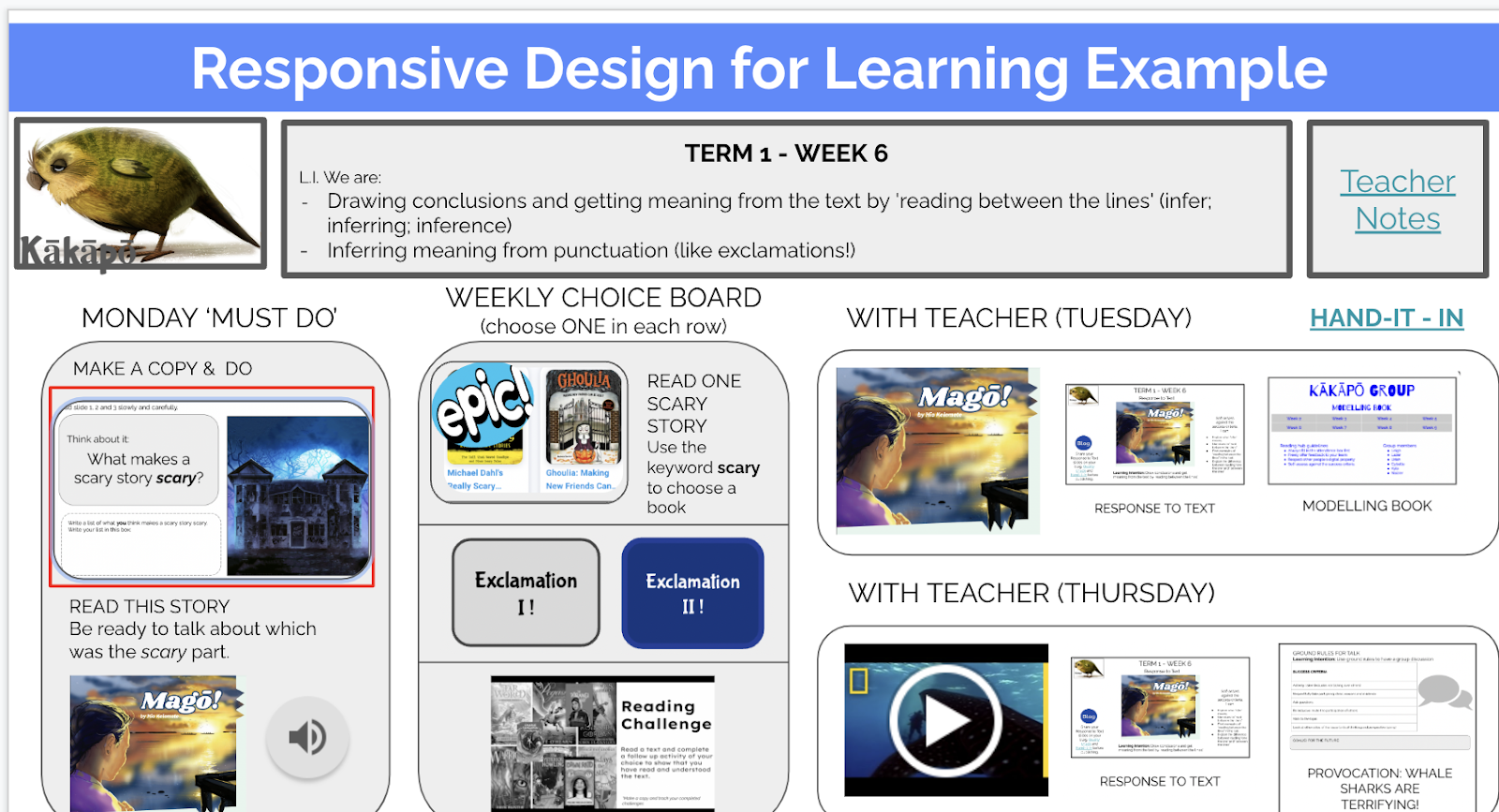
To keep looking at new ways of designing the reading programme for students so that tasks are aimed more specifically at addressing student needs in a way that is engaging and interesting. The reading task board was a good example of a resource or template that could be used.


  • What did I learn that could be used with my learners? 


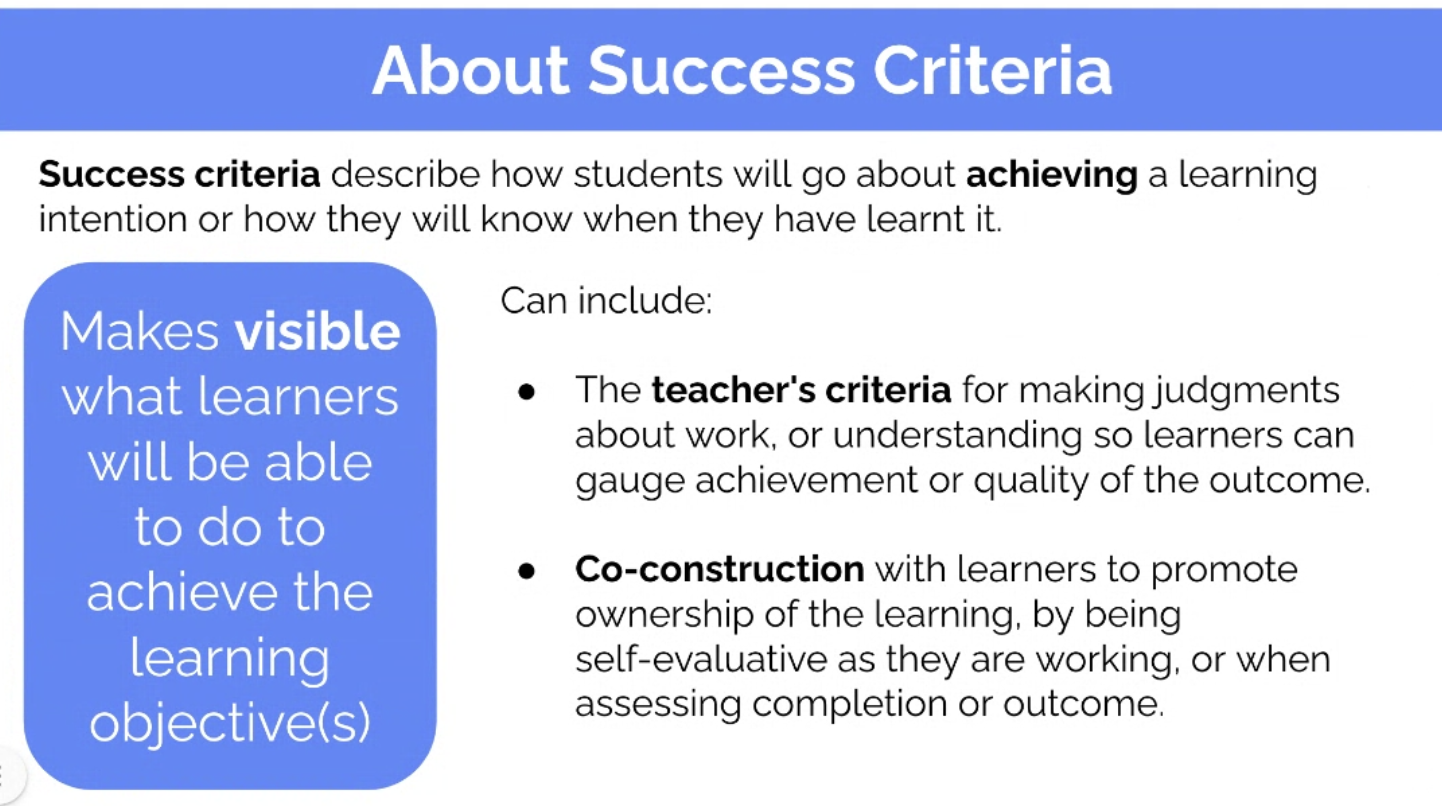
That success criteria can be co-constructed, even with the low ability readers, but to also keep in mind that it needs to be teacher directed to stay on track. 


  • What did I learn that could be shared within my wider community, with either colleagues, or whānau/aiga? 


Share with colleagues: ideas for designing reading e.g. the taskboard. Using the reading survey and how to analyse PAT data more effectively when creating the next steps for learners. 


Friday, 24 February 2023

Inquiry Plan - Literacy Focus 2023


This year for my inquiry I want to continue to focus on literacy. I am concerned about the low reading levels of at least half my literacy class who are all in Year 6 this year. The reading levels range from 5 to 8 years. I want to focus on increasing student engagement in reading while improving reading levels and achievement in literacy. 

My Inquiry Question is: How can I raise students engagement and achievement in literacy?


Tuesday, 14 February 2023

Manaiakalani Reading Practice Intensive - Day 1

Focus for the day: Reading is Core to Learning

Reflections:

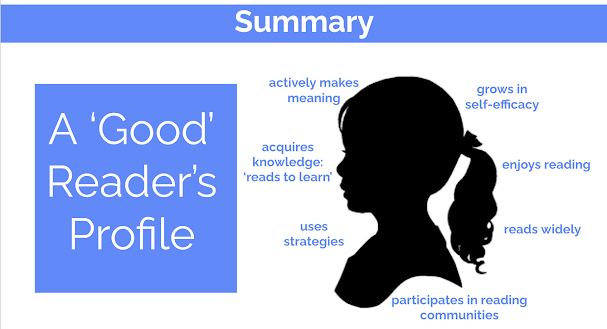
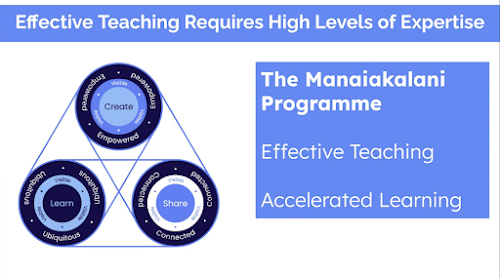
There were some good reminders of the kaupapa and pedagogy of the Manaiakalani reading programme. We looked at what makes a good reader. We were also reminded that effective teaching is important for accelerated learning. We need to know who our learners are and what their needs are. A class survey to find out informal information e.g. student interests is important as we tend to focus on what the data tells us e.g. reading age and PAT scores.


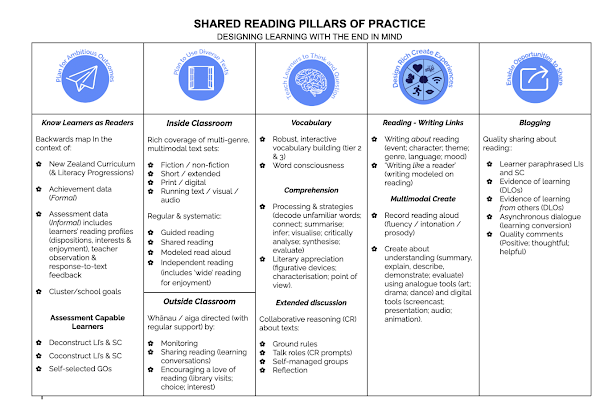
Reading Pillars of Practice: This exercise was useful. I identified areas where I needed to focus more on e.g. I need to spend more time planning for Vocabulary as well as Comprehension. I need to look at how I can engage whanau more, especially with the lower literacy group.


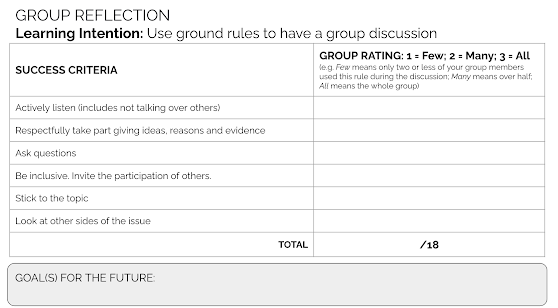
To be used with my learners: the class reading survey to check informal information about my students interests and attitudes towards reading etc. Establishing the ground rules for group talk was interesting. Something that I might do a little differently is to provide a little more student choice during reading sessions e.g. task selection.


What I intend to share with others: Whanau - encourage whanau to make reading a focus at home e.g. share learning goals. Colleagues - share information gained from reading practice intensive.

Friday, 19 August 2022

Literacy group and reading levels.

For the past week I have been testing most of the students in my literacy class to check if they have made any progress in their reading levels. I used running records which is one way that our school assesses reading. It's a great tool to use when not only testing whether a child has made any progress, but also to observe reading behaviours of individual students. 

I found that only 3 students out of a class of 25 had failed their running record test. Since the start of the year the levels of progress have been very different. Most of the students are reading below or well below their age. Here is a list showing the progress of students so far:

3 months progress = 2 students

6 months progress = 12 students

9 months progress = 2 students

One years progress = 6 students

More than one years progress = 1 student

We have 2 new students in our class since the tests were done. Some students attend the AWS reading programme with Ms Timmi and Ms Squires. Quite a few also attend reading support with Mrs Clarke and her volunteers. 


Monday, 1 August 2022

Inquiry Focus in Term 3

 This term I have decided to focus on a small group of students in my literacy class. These students are achieving below the norm in reading and writing. I see each student for guided reading at least twice per week. Some of them also attend AWS (a specialised literacy programme) and Reading Support. 

We tend to focus on writing first thing in the morning. As most of the students in my literacy class are achieving well below in writing, it is important to build mileage by providing many opportunities to write. We often start with a discussion around a topic or interesting image, then we continue with a whole class brainstorm. The writing is co-constructed and sentences are written in large writing on the whiteboard. The class reads what is written out loud,  then students copy this into their writing book. This is then typed into their copy of the writing task which is usually on a Google Slide presentation. 

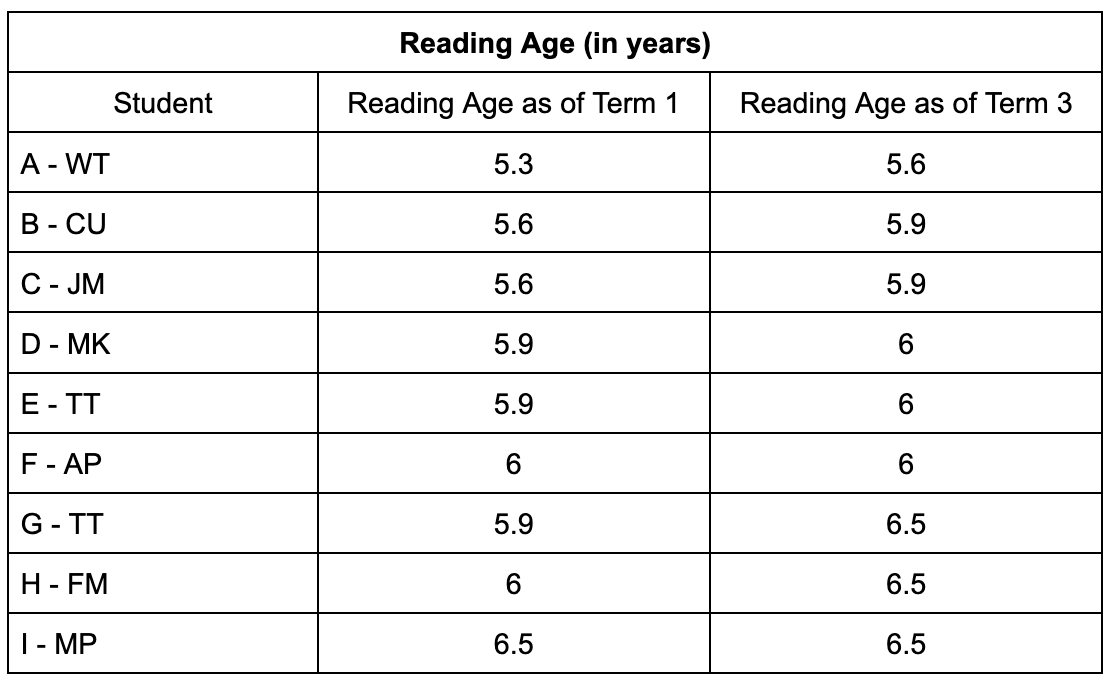
It is often difficult to find the time to conference for writing during the week. However, I always make it a priority to see my reading groups. Here are the reading ages from Term 1 and the start of Term 3 this year.